
Tiger Landscapes Overview
1. Kanha Tiger Reserve
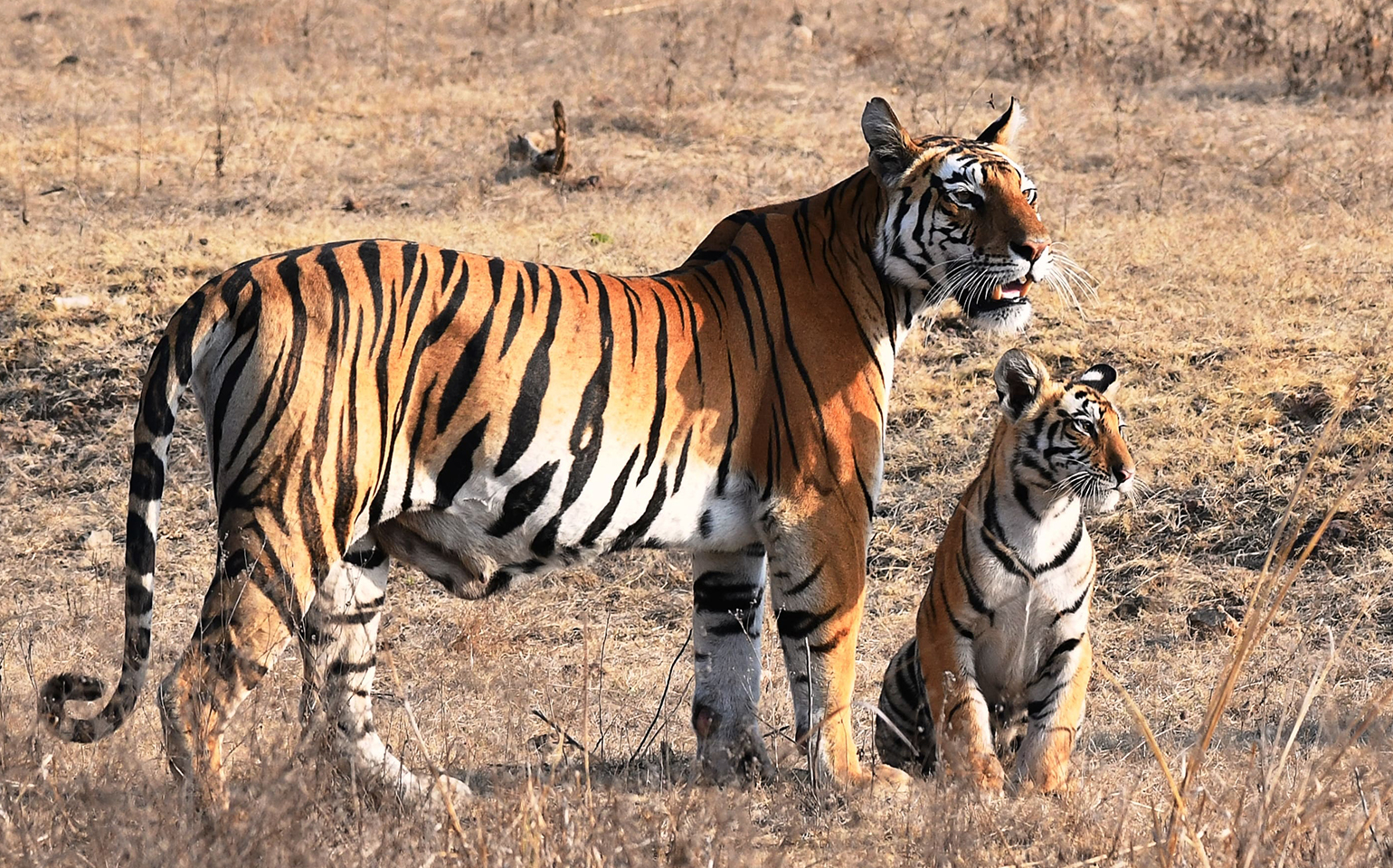
Kanha Tiger Reserve is nestled in the Maikal range of Satpuras in Madhya Pradesh, the heart of India, which forms the central Indian highlands. The tiger reserve is being popularized and interestingly is being declared as one of the finest wildlife areas in the world. Spreading across two revenue districts the Mandala and the Kalaghat.
Know More2. Pench Tiger Reserve - Land of the 'The Jungle Book'
The Pench Tiger Reserve and its neighbourhood is the original setting of Rudyard Kipling's most famous work, The Jungle Book. Kipling borrowed heavily from Robert Armitage Sternberg's books 'Seonee', 'Mammalia of India and Ceylon' and 'Denizens of the Jungle' for the topography, wildlife, and its ways. Mowgli was inspired by Sir William Henry Sleeman's pamphlet, 'An Account of Wolves Nurturing Children in Their Dens', which describes a wolf-boy captured in the Seoni district near the village of Sant Baori in 1831. Many of The Jungle Book's locations are actual locations in Seoni District, like the Waingunga river with its gorge where Sherkhan was killed, Kanhiwara village and the 'Seeonee hills'.
Know More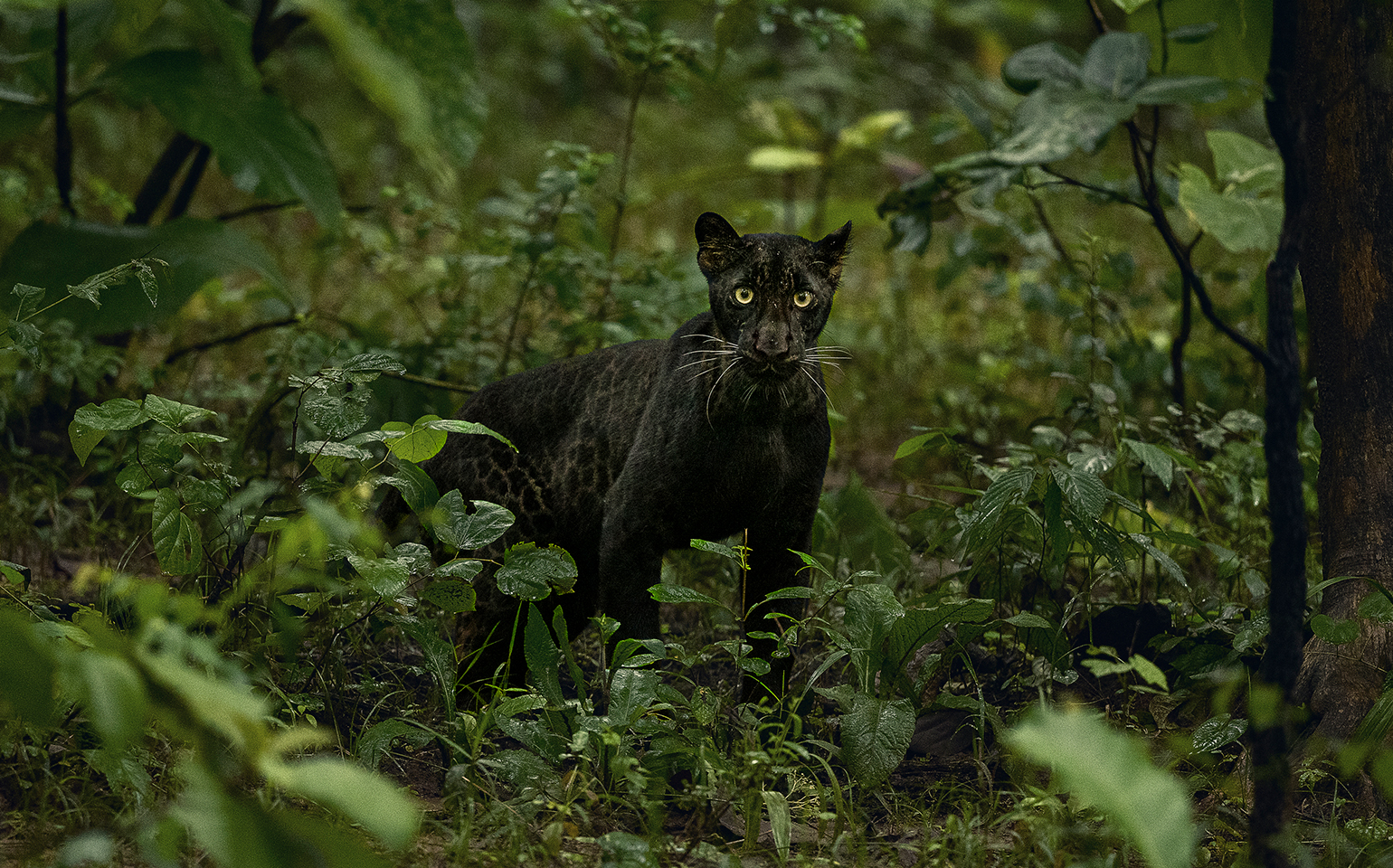
3. Satpura Tiger Reserve – The Land of Seven Hills
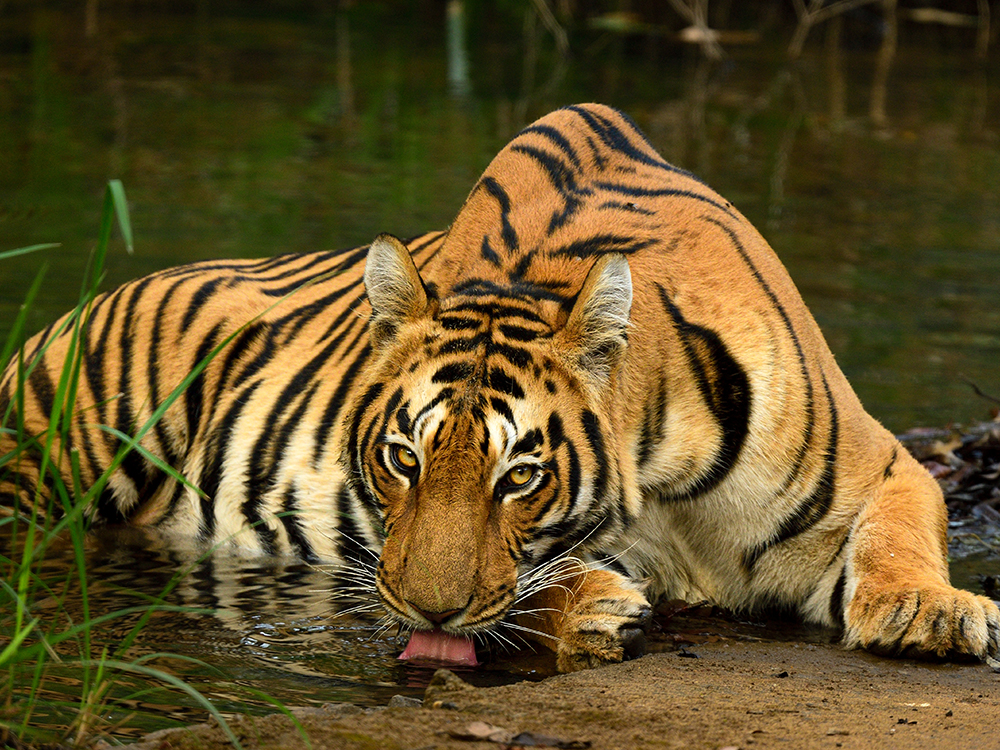
The jungles of Satpura are among the oldest reserve forests in India, forming a vast, tranquil, and protected expanse within the Satpura mountain range of the Central Indian landscape—largely untouched by human interference. This unique region is part of the first Biosphere Reserve of Madhya Pradesh and boasts one of the richest biodiversities in Central India, encompassing diverse floral, faunal, and cultural attributes.
The name Satpura, derived from Sanskrit, means “Seven Folds” or “Seven Hills,” reflecting the range's distinct geography. It forms a natural watershed between the Narmada and Tapti rivers and is triangular in shape. A remarkable ecological feature of this area is the unique coexistence of Sal forests on the plateau and Teak forests in the lower plains—an association rarely found elsewhere. Interestingly, some species that are uncommon in other parts of Madhya Pradesh are found here, highlighting the ecological uniqueness of Satpura.
Know More4. Panna Tiger Reserve
Panna Tiger Reserve is a critical tiger habitat located in the Vindhya Hills of northern Madhya Pradesh, known for its fragile yet dynamic dry deciduous forests. The landscape is marked by expansive plateaus, deep gorges, and is adorned with mesmerizing waterfalls, natural beauty, archaeological wonders, legendary tales, and rich cultural heritage.
The Ken River flows through this reserve, adding to its scenic charm and ecological significance. Natural boundaries define the area—teak forests lie to the north, while a mix of teak and Kardhai forests cover the eastern side. The northeast-southwest running Vindhya Hill ranges serve as a vital corridor, connecting the eastern and western populations of wildlife.
5. Bandhavgarh Tiger Reserve
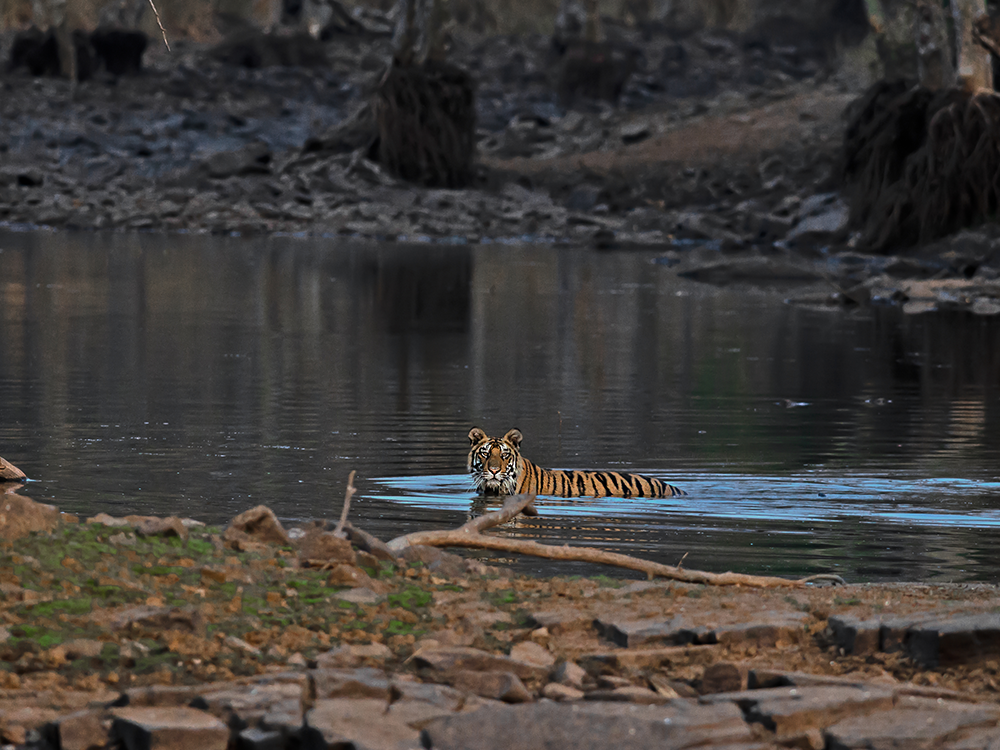
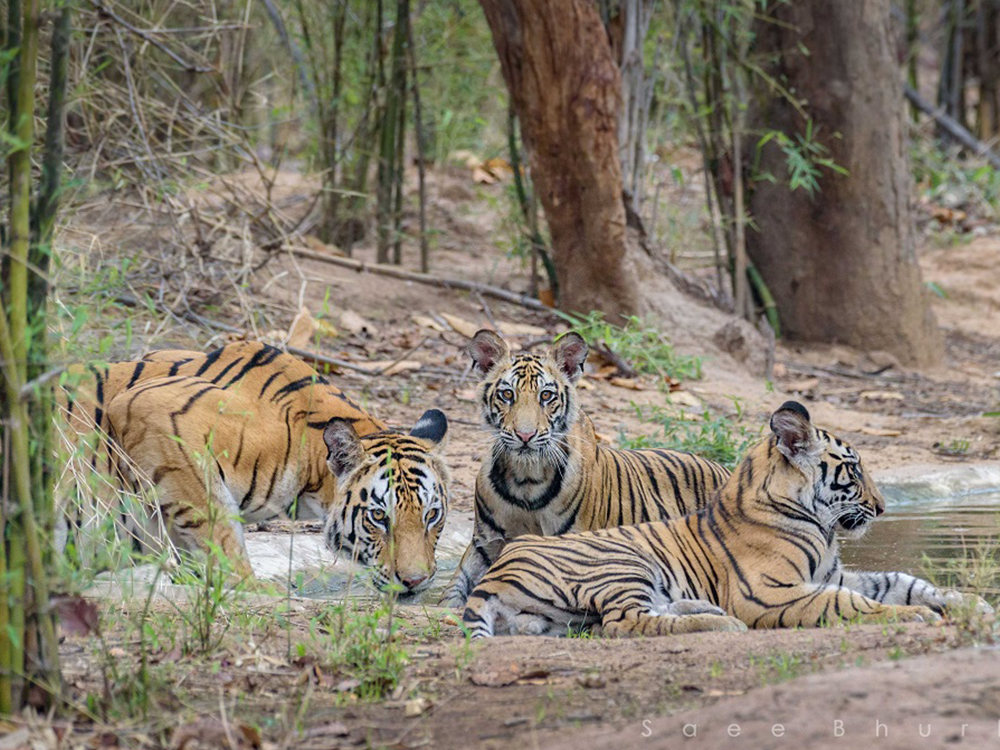
Bandhavgarh Tiger Reserve of Madhya Pradesh is one the most coveted destination for wildlife tourism, especially for tourists who wish to see the Tiger in the wild. Not only does it attract wildlife enthusiasts interested in watching the apex predator, the reserve is also quite popular among wildlife lovers who wish to see some of the rare species found in the park as well as those who are interested in watching different species of birds.
The Reserve is mainly recognized for the presence of majestic Royal Bengal Tiger, which is the National Animal of India and practically one of the most fascinating animals in the world. BTR with some of its dense forests, bamboo vegetation and vast grasslands, along with some perennial streams, offers an excellent habitat for the solitary predator. Over the years, under the expert management practices of the administrative body, the reserve has witnessed a significant rise in the number of tigers and is among the top reserves with a high density of Tigers. Together with an abundance of prey species in tourism areas its one the best parks to sight the Big Cat in its full grandeur.
Know More6. Padma Shree Dr. Vishnu Shridhar Wakankar Tiger Reserve, Ratapani
Padma Shree Dr. Vishnu Wakankar Tiger Reserve is a hidden gem of Madhya Pradesh, teeming with rich flora and fauna. A wide variety of birds and mammals call this vibrant landscape home. The sanctuary is located across the Raisen and Sehore districts, nestled in the lap of the Vindhyan Hills.
One of its most remarkable features is the presence of the Bhimbetka Rock Shelters—a UNESCO World Heritage Site—within its boundaries. The sanctuary also houses several other historical and religious landmarks such as Ginnourgarh Fort, the POW Camp, Keri Mahadeo, Ratapani Dam, and Jholiyapur Dam, adding cultural depth to its ecological significance. Its close proximity to the state capital, Bhopal, along with its relatively undisturbed forests, makes Ratapani a promising and accessible destination for tourists, nature lovers, and heritage enthusiasts alike.
7. Madhav Tiger Reserve
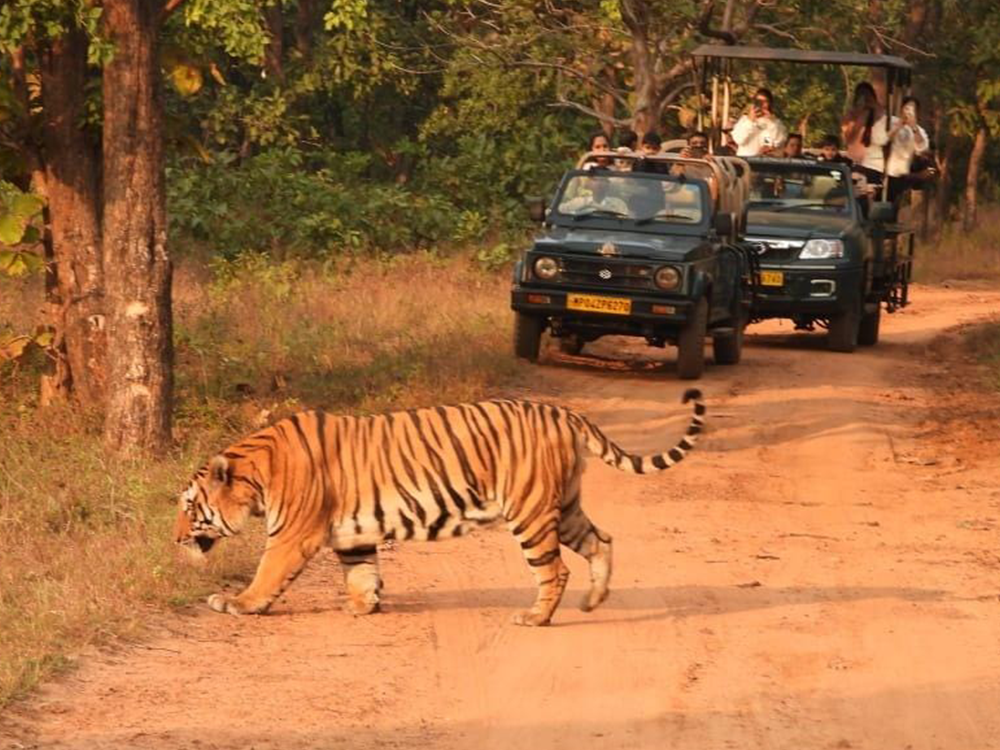
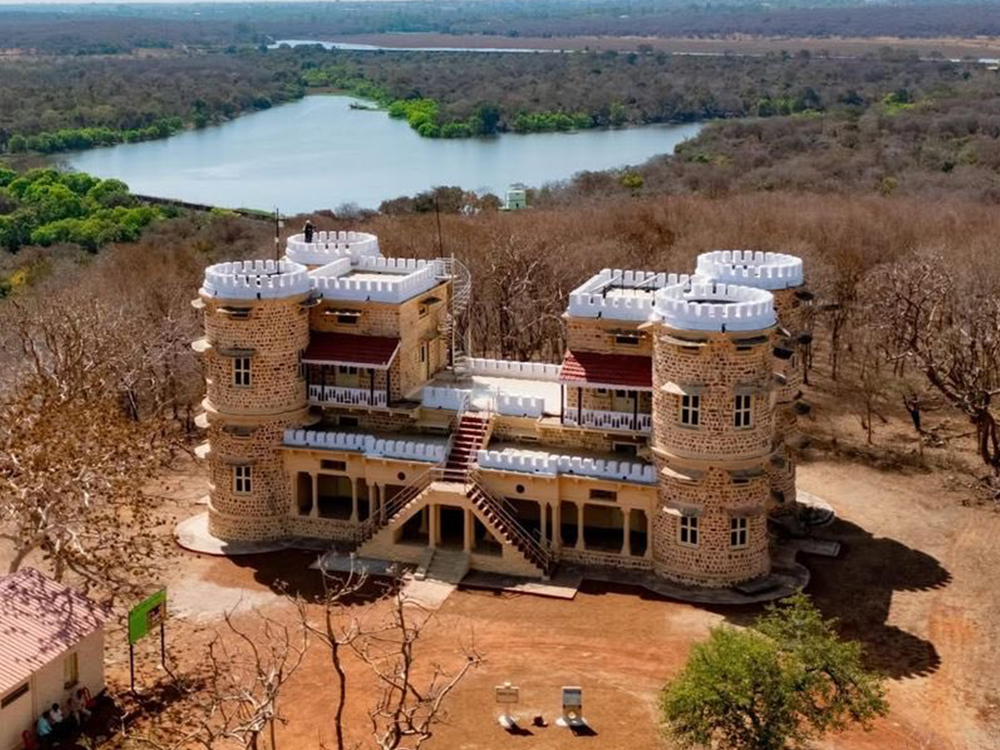
Madhav Tiger Reserve is located on the northern fringe of the Central Highlands of India, forming part of the Upper Vindhyan Hills interspersed with plateaus and valley sections. The terrain features mostly gentle slopes with occasional steep areas. Spanning an area of approximately 355 square kilometres, the reserve is a captivating blend of natural beauty, rich history, and architectural marvels. Situated in the northern part of Madhya Pradesh, in Shivpuri district near the Shivpuri township, the area was designated as a National Park in 1958. The park is uniquely endowed with lake, meadow, and forest ecosystems, making it ecologically diverse and scenically stunning.
The southern part of the reserve is home to two prominent lakes—Sakhya Sagar and Madhav Sagar—which support aquatic biodiversity and serve as crucial lifelines for terrestrial wildlife. These lakes not only enhance the park's natural charm but also provide a permanent water source for wildlife and form excellent wetland habitats for a wide variety of aquatic fauna, including thousands of migratory waterfowl. Sakhya Sagar, in particular, is known for its abundance of Marsh Crocodiles, earning it the nickname "Crocodile Safari" and making it a popular attraction among visitors. Additionally, the Madikhera Dam, located in the northwestern part of the park, contributes to the region’s hydrological balance and ecological sustainability.
Know More8. Sanjay Tiger Reserve
Sanjay Tiger Reserve is a nature’s paradise, which is located in Sidhi district of Madhya Pradesh. The reserve is as unique as the world-famous white tiger- “MOHAN” who was found and rescued by the then Maharaja of Rewa- Raja Martand Singh in 1951. In principal this reserve is also the mother of all White Tigers founds across the world presently. Sanjay Tiger Reserve is bestowed with rich floral and faunal diversity along with some of the critically endangered species. For a wildlife and nature enthusiast or someone who wants to explore into the deep woods, Sanjay Tiger Reserve has to be on their bucket list.
Sanjay Tiger Reserve’s core consists of Sanjay National Park which was was established in 1975, and Dubri Sanctuary because of which sometimes it is referred to as Sanjay Dubri Tiger Reserve in general public. The reserve is in the heart of Incredible India, Madhya Pradesh and its spread over an area of 1674.11 sq. km, comprising of Sanjay National park, Dubri Wildlife sanctuary along with some buffer areas from Sidhi and Shahdol districts of Madhya Pradesh. It is situated on the north-eastern corner of the state of Madhya Pradesh. It shares its border with Guru Ghasidas National Park in the south, which was actually the part of this Tiger Reserve before the formation of Chhattisgarh in the year 2000.
Know More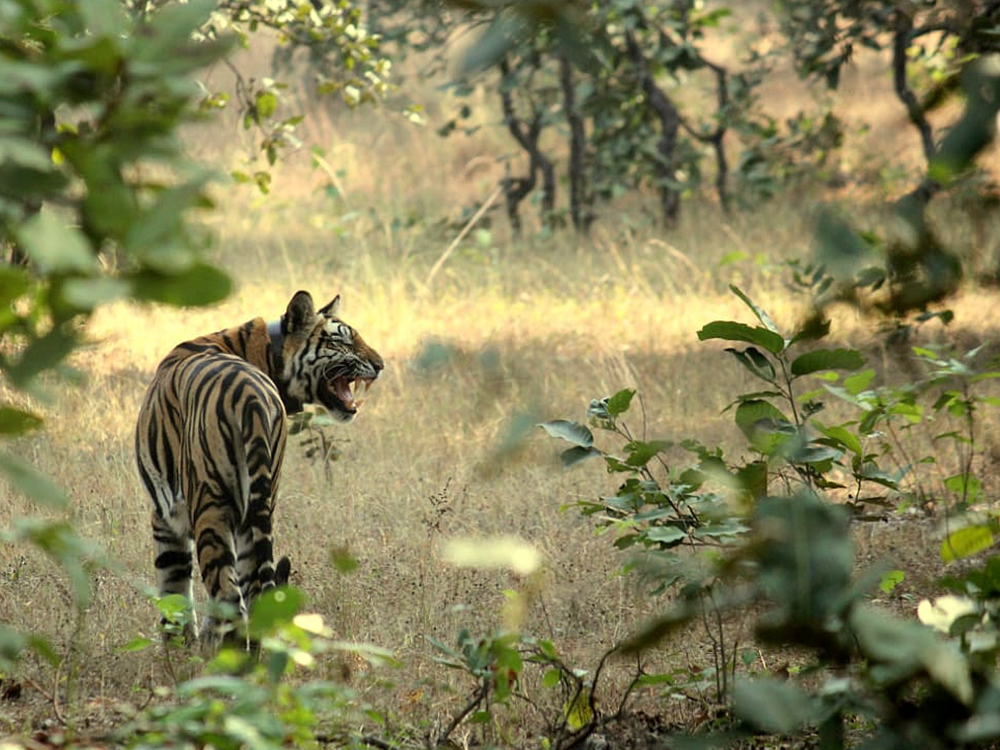
9. Veerangana Durgawati Tiger Reserve
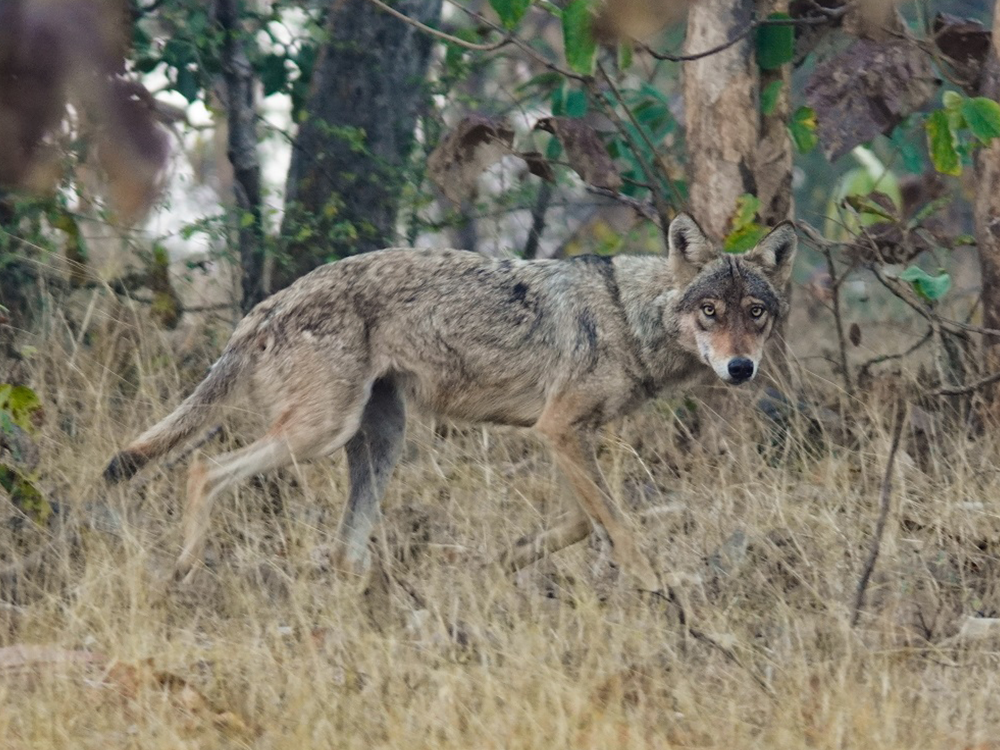
Declared as a Tiger Reserve in 2023, the Veerangana Durgawati Tiger Reserve (VDTR) is one of the most prominent and ecologically vital landscapes in Madhya Pradesh. Spanning an area of 925.122 km², the reserve was formerly known as Nauradehi Wildlife Sanctuary, which was the largest wildlife sanctuary in the state prior to its upgradation to a tiger reserve.
The landscape extends across the districts of Sagar, Damoh, and Narsinghpur, forming part of the upper Vindhyan range. The terrain is characterized by a series of undulating plateaus and gentle slopes, with forest vegetation primarily of the tropical dry deciduous type, dominated by Teak (Tectona grandis) along with other characteristic species of the region.
Located within the Deccan Peninsula biogeographic region, the landscape falls under both the Ganga and Narmada river basins, supporting a rich diversity of flora and fauna. The reserve plays a crucial role as a corridor connecting Panna and Satpura Tiger Reserves.
10. Van Vihar National Park & Zoo
Van Vihar National Park and Zoo is one of the most revered National Park and Zoo of Central India and is a shining beacon in the field of conservation. It is an amazing world of winged creatures, free ranging ungulates and captive carnivores in the midst of greenery.
The park which is more popularly known as just “Van Vihar” is considered as a “must see” destination for tourists visiting Bhopal. The characteristic combination of rich wetland areas, meadows, pools of water at different places, rugged slopes, mixed bamboo vegetation along with grass covered plateau and areas of mixed plantations support the rich floral and faunal diversity in the area.
This green oasis amidst the city of lakes also plays a very vital role as a carbon sink contributing to environmental health of Bhopal. It is situated right next to the famous Upper Lake of Bhopal also known as the “Bada Talab” which is a Ramsar Site and one of the two lakes of Bhoj Wetland.
Know More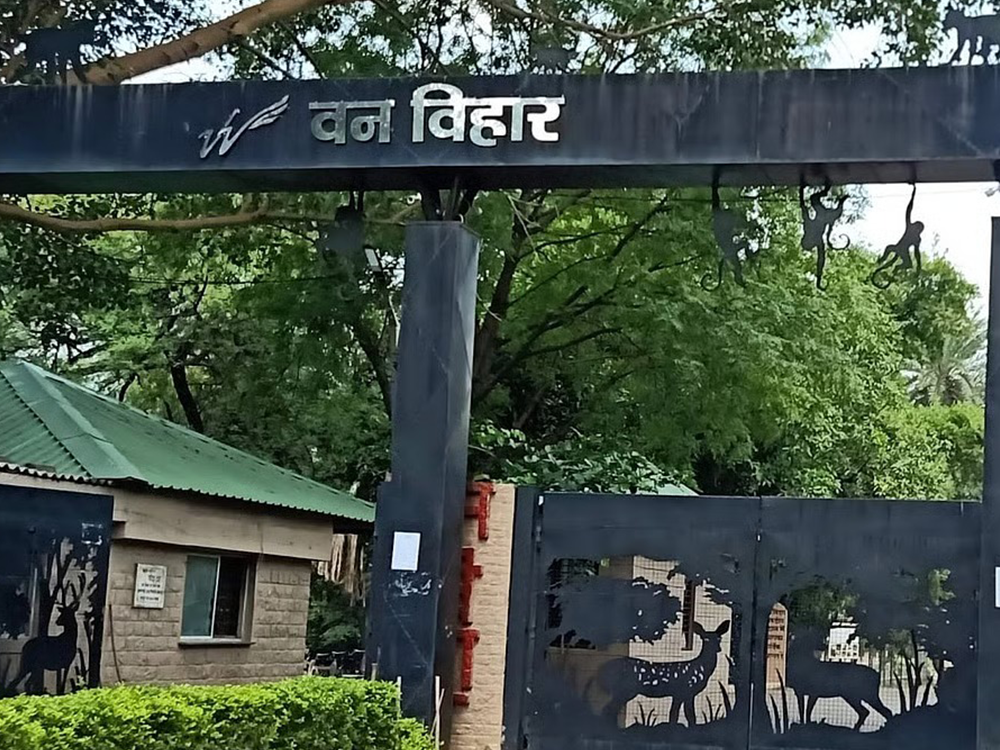
11. Kuno National Park
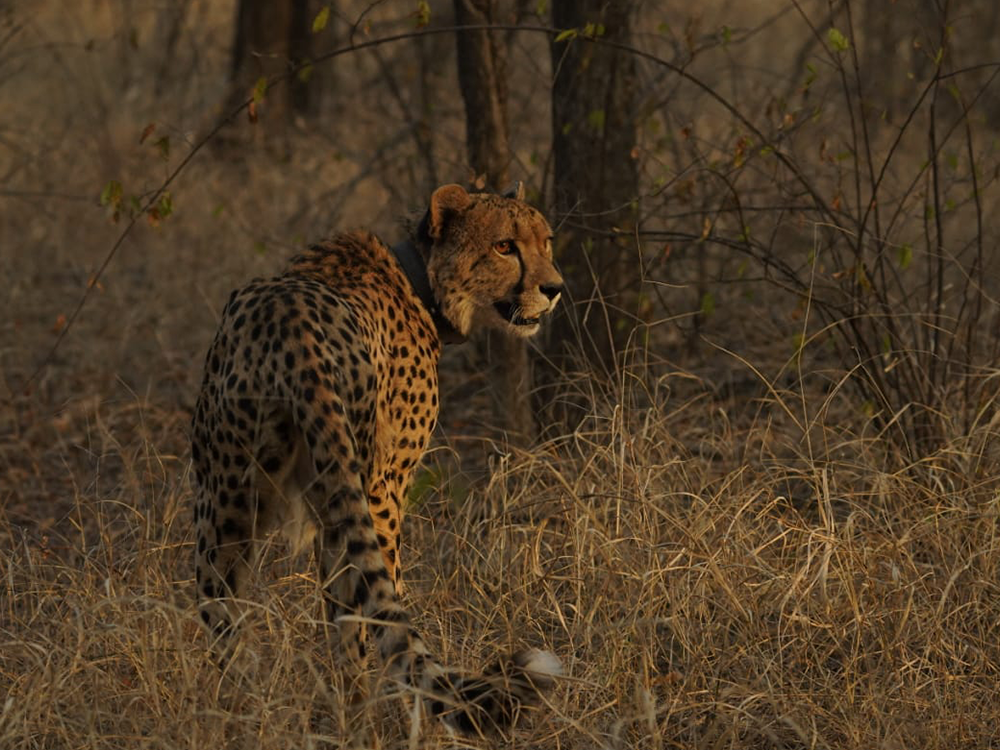
Kuno National Park in Madhya Pradesh is one of the most distinctive destinations for wildlife lovers and nature enthusiasts. Upon entering the park, visitors are greeted by the unique forest composition of Kardhai, Khair, and Salai trees, with open meadows teeming with wildlife. Some of Kuno’s grasslands are even larger than those found in the famed Kanha and Bandhavgarh Tiger Reserves.
A local marvel, the Kardhai tree—abundant in this region—is believed to turn green with just the humidity in the air, even before the arrival of the first monsoon rains. This resilience is symbolic of Kuno itself—reflecting its enduring spirit and ability to thrive despite challenges. Originally notified as a sanctuary spanning around 350 sq. km, Kuno had a distinctive leaf-like shape, with the Kuno River acting as its central spine. This river not only sustains the park’s water needs but also lends its name to the landscape. Recognizing the ecological value and in view of the proposed Asiatic Lion reintroduction project, concerns were raised about the area's sanctuary status being insufficient for hosting lions. As a result, Kuno was upgraded to a National Park, expanding its area by an additional 400 sq. km. Today, Kuno National Park covers 748 sq. km of pristine forest.
The park lies within the broader Kuno Wildlife Division, which encompasses a total area of 1,235 sq. km—forming one of the most promising and ecologically vibrant conservation landscapes in Central India.
Know More